FCS Chancellor Visits SPC, Highlights Workforce Impact Ahead of Centennial
Samantha Stanich | 4/23/2026
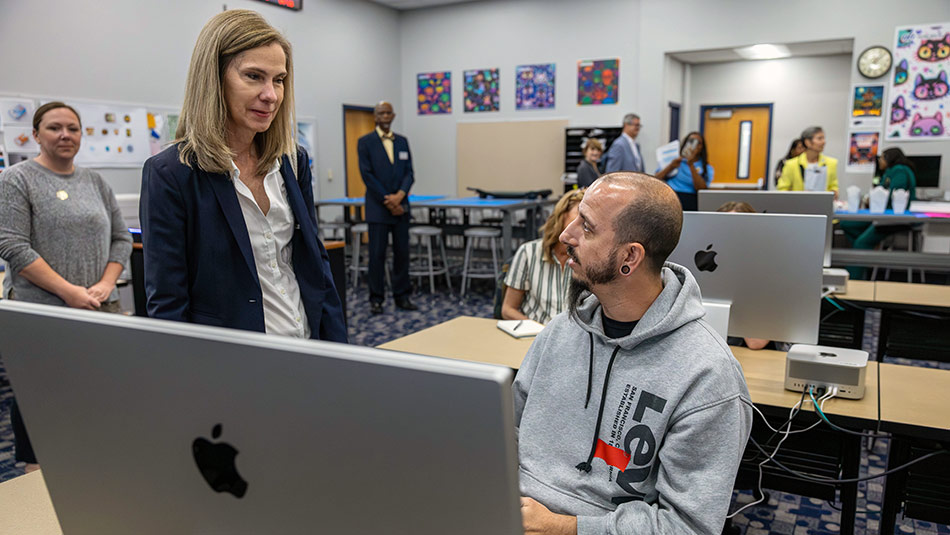
St. Petersburg College welcomed the Florida Department of Education’s Chancellor, Kathy Hebda, to its Clearwater Campus during Florida College System (FCS) Month, offering a firsthand look at the innovative, hands-on training preparing students for high-demand careers across the region; setting the stage for the College’s 100th anniversary in 2027.
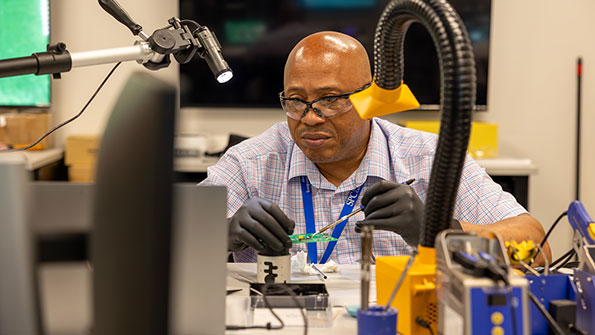
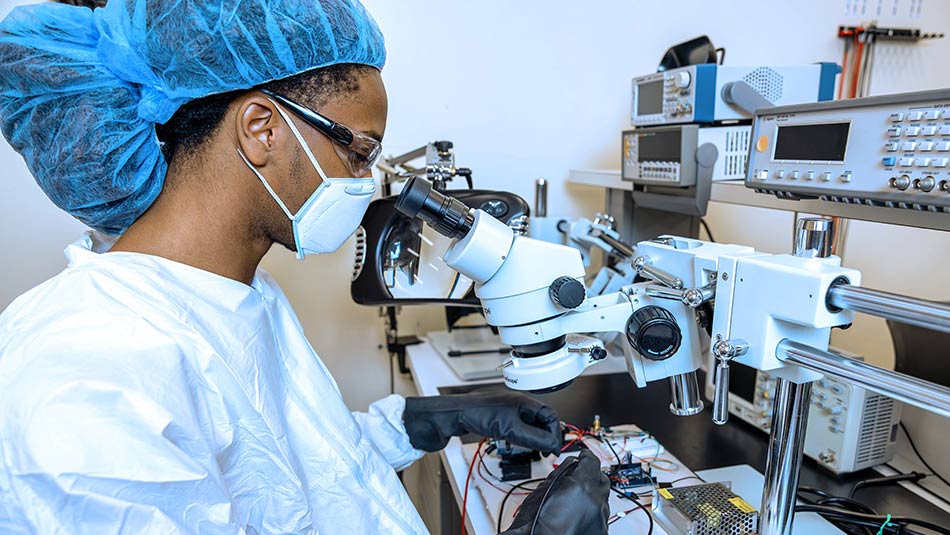
During her visit, Chancellor Hebda engaged with students in digital media and linear integrated circuits classes, highlighting the intersection of creative and technical education that defines SPC’s approach to workforce development. The tour concluded at SPC’s Center for Manufacturing and Engineering Technology (CMET), where students train on industry-standard equipment for careers in advanced manufacturing, engineering and skilled trades.
The visit underscores Florida’s national leadership in workforce and higher education. The state currently ranks No. 1 in the nation in workforce education, along with top rankings in higher education, graduation rates, affordability and talent attraction. Since 2019, Florida has invested more than $12 billion in workforce education, expanding career and technical education programs, increasing industry certifications and strengthening employment outcomes for graduates.
Driving economic growth across Florida

According to a recent economic impact report conducted by Lightcast in partnership with the Florida College System and the Association of Florida Colleges, the impact of Florida’s public colleges extends far beyond the classroom:
- For every $1 invested in the Florida College System, Floridians receive $13.30 in return
- The system generates $56.7 billion in added income and supports more than 640,000 jobs statewide
- One out of every 24 jobs in Florida is supported by FCS institutions and their students
- Taxpayers see a $2.42 return for every $1 invested, with a 6.2% annual rate of return
- Students experience an average 21.2% return on their educational investment, adding $14.5 billion in lifetime earnings
- FCS alumni contribute $51 billion annually to Florida’s economy
These outcomes reinforce why the Florida College System has been ranked No. 1 in workforce education for 10 consecutive years and continues to serve as a major driver of economic mobility and talent development.
SPC’s impact in Tampa Bay

SPC plays a significant role in that statewide success. According to an independent Lightcast study, the College generated $3.5 billion in total economic impact in the Tampa Bay region during fiscal year 2023–24, supporting 37,083 jobs: roughly one in every 60 jobs across Pinellas, Hillsborough, Pasco and Hernando counties.
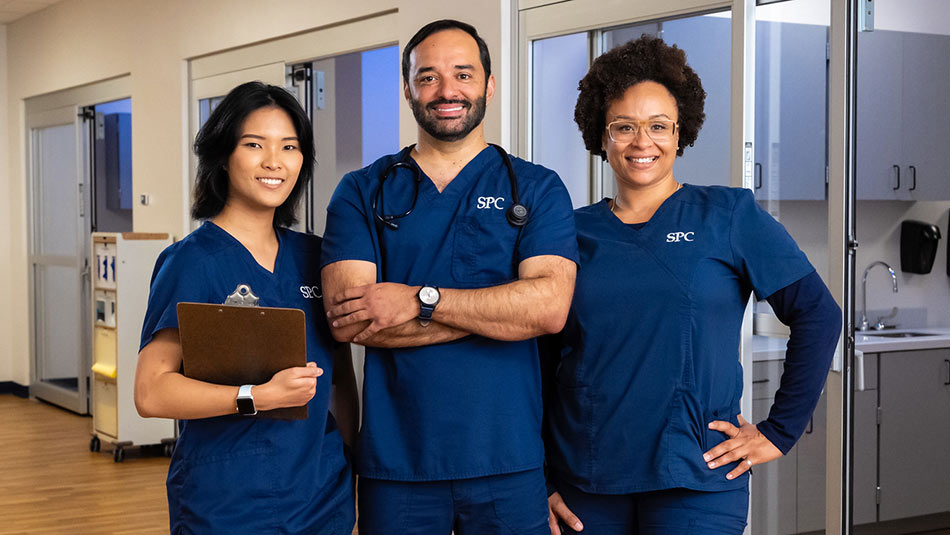
SPC’s economic influence is driven by its role as a workforce engine for key industries, including health care, business, technology, public safety and advanced manufacturing. Through more than 300 degrees, certificates and workforce training pathways, the College equips students with job-ready skills that lead to higher earnings, increased productivity and sustained regional growth.
Looking ahead to SPC’s centennial
As SPC approaches its 100th anniversary in 2027, the College’s impact continues to grow, not only as an educational institution but as a cornerstone of economic development in Tampa Bay and across Florida.
From expanding workforce training programs to strengthening industry partnerships, SPC is building on a century of service by preparing students for the jobs of today and tomorrow. Through continued investment in workforce education and career pathways, SPC is helping sustain Florida’s position as the nation’s leader in workforce education, ensuring students are prepared for the next century of opportunity while driving economic growth for generations to come.