SPC President Serves on Federal AHEAD Committee Shaping Workforce Pell Policy
Samantha Stanich | 1/27/2026
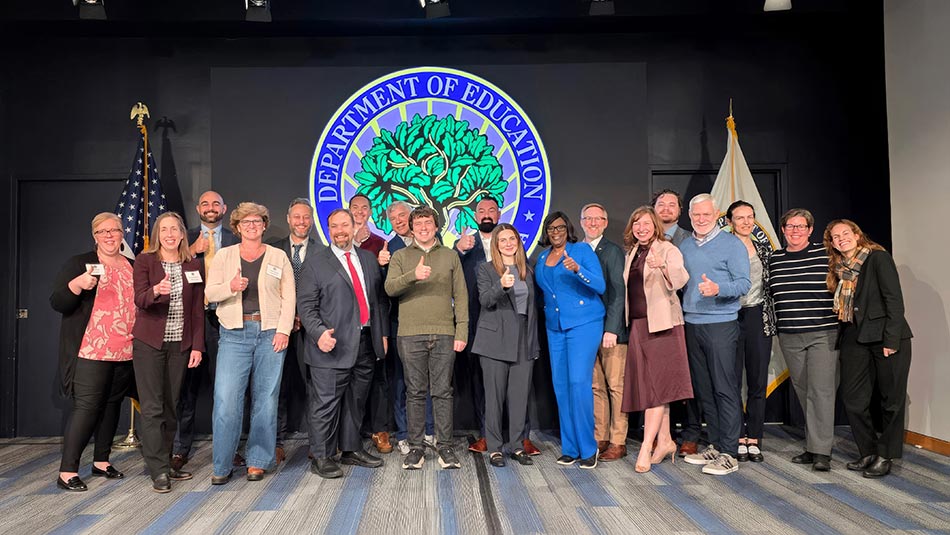
St. Petersburg College President Dr. Tonjua Williams served as an alternate negotiator on the U.S. Department of Education’s Accountability in Higher Education and Access through Demand-Driven Workforce Pell (AHEAD) Committee. Dr. Williams represented all public institutions of higher education.
The committee met in early January to consider proposed regulatory changes to expand Pell Grant eligibility to short-term, workforce-aligned education programs.
The AHEAD Committee is a negotiated rulemaking body composed of representatives from multiple sectors, including students and veterans, employers, public and private institutions of higher education, workforce agencies, accreditors, consumer advocates and state and federal stakeholders. Its charge is to inform the development of a framework that expands access to Workforce Pell while maintaining accountability, alignment with state workforce needs and stewardship of federal financial aid.

Dr. Williams participated in the committee’s initial negotiating sessions in Washington, D.C., where members discussed a proposed regulatory structure that would extend Pell eligibility to high-demand workforce programs. The framework ties eligibility to measurable outcomes such as program completion, job placement, earnings gains and cost-to-value thresholds and includes a role for governors and state workforce development boards in approving eligible programs
“This work is about expanding opportunity while maintaining accountability,” said Dr. Williams, highlighting the ongoing efforts of Florida’s colleges to build a skilled workforce and meet the evolving needs of employers.
Dr. Williams also stressed the importance of federal policy discussions reflecting how students transition into high-skill, high-wage careers. The AHEAD process plays a critical role in ensuring that the expansion of access to Workforce Pell is paired with clear expectations for quality, outcomes, and transparency.
Key regulations negotiated included:
- Expansion of Pell eligibility for short-term, workforce-aligned programs in in-demand fields
- Governor-led program approval in consultation with state workforce development boards
- Federal oversight tied to completion rates, job placement outcomes and tuition-to-earnings measures
- Data transparency, consumer disclosures and appeals processes
- Alignment across workforce, higher education and labor data systems
The negotiated rule-making committee reached final consensus on Jan. 9 and are expected to go into effect on July 1. These updates were shared with Florida College System legislative teams to inform ongoing monitoring and coordination as federal Workforce Pell policy discussions continue.
Dr. Williams will continue representing community colleges as she helps shape new federal Pell Grant rules to expand access to affordable, short-term, job-focused training aligned with employer needs.